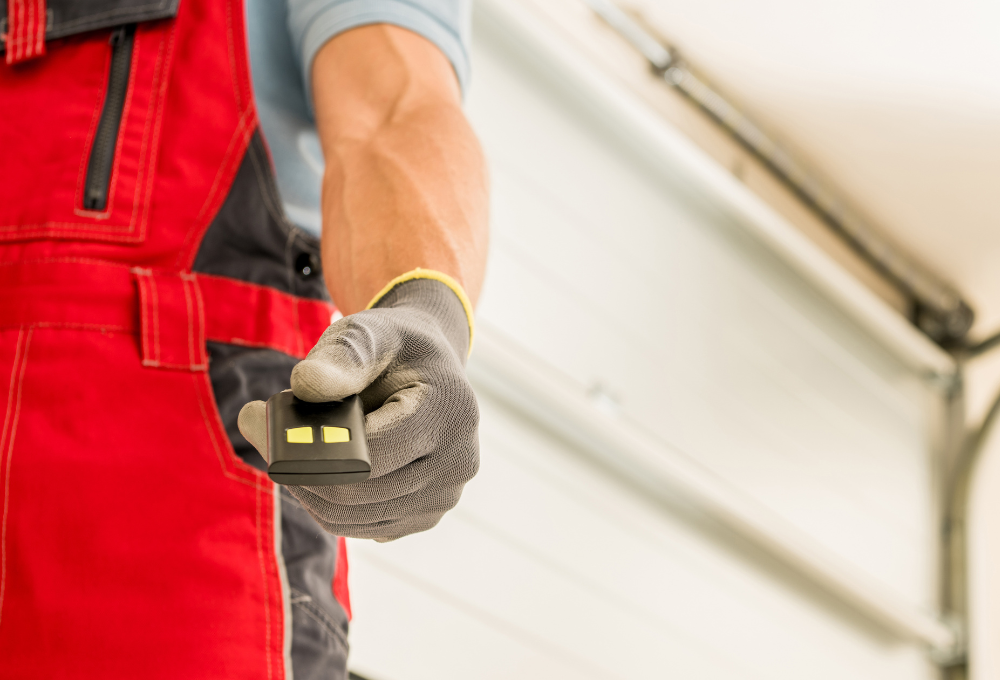
A garage door should open smoothly and at a steady speed. When the door begins moving slowly, it often indicates a developing issue. A Slow Garage Door can affect convenience and signal mechanical wear.
Garage doors rely on several components working together during operation. Springs support the door’s weight while rollers guide its movement. When these parts experience stress or damage, a Slow Garage Door may occur. Tracks, hinges, and cables must also remain properly aligned. If any component becomes worn or misaligned, door movement may gradually slow down.
This guide explains the most common reasons behind a Slow Garage Door and what warning signs to watch for. You will learn how worn parts, lubrication issues, and opener problems affect door speed. The article also highlights simple maintenance steps that help restore smooth operation. Understanding these causes helps homeowners keep their garage doors reliable and safe.
Common Causes of a Slow Garage Door
A slow garage door is caused by several factors. Daily operation places constant pressure on mechanical components. Over time, these parts may wear down and reduce door performance. Worn components can create resistance during door movement. Regular inspections help identify these issues before they worsen. Professional garage door repairs can address these problems and restore smooth door operation.
Lack of lubrication is another common cause of slow door movement. Hinges, rollers, and springs require lubrication to function smoothly. When friction increases, the door may open more slowly than normal. Dry components may also produce grinding or squeaking sounds. Routine lubrication helps maintain smooth garage door operation and helps prevent a Slow Garage Door from developing.
Opener problems may also affect door speed. Aging motors or damaged components may struggle to lift the door efficiently. Professional inspection helps identify the cause of a Slow Garage Door and correct problems. Technicians can inspect the opener and related hardware. Early repair helps restore proper door performance. Regular maintenance also helps prevent motor strain and improves overall garage door reliability.
Parts That Affect Door Speed
Many mechanical parts influence how quickly a garage door opens. These components must remain in good condition to maintain smooth door movement. Springs, rollers, cables, and hinges all play important roles during operation. When any of these parts become damaged, leading to a Slow Garage Door, the door may move more slowly. Regular inspection helps ensure these components continue functioning properly.
Worn Rollers and Cables
Rollers and cables help guide the garage door along the track system. These components support the door during each opening and closing cycle. When rollers and cables become worn, they create friction along the tracks. Damaged rollers may also cause uneven movement or noise during operation. Regular inspection helps ensure rollers remain in good condition. Cleaning tracks and lubricating rollers can restore smoother movement. Preventive maintenance helps reduce the chances of developing a Slow Garage Door caused by worn rollers.
Weak or Broken Springs
Garage door springs carry most of the door’s weight during operation. These springs allow the opener to lift the door efficiently. When springs weaken, the opener must work harder. Problems often lead to a Slow Garage Door with broken springs. Weak springs may also cause the door to feel heavy during manual operation. Ignoring spring issues can lead to sudden system failure. Professional inspection helps detect spring wear early. Replacing worn springs restores balance and improves garage door performance.
How Openers Affect Door Speed
Garage door openers control the movement of the entire system. When opener systems develop problems, the door may begin moving slowly. One possible cause involves motor wear. Opener motors lose efficiency after years of use. A weak motor may struggle to lift the door, creating a Slow Garage Door. Regular inspection helps detect motor issues before they worsen.
Dirty or misaligned sensors contribute to a Slow Garage Door and may cause delays during operation. Cleaning sensors regularly helps maintain smooth opener performance. Sensors should remain properly aligned to ensure safe and reliable door movement. Regular inspection helps detect sensor issues early. Keeping sensors clean also helps prevent unnecessary interruptions during door operation. Proper sensor maintenance also supports consistent garage door performance. Regular care helps reduce the chances of unexpected operational problems.
Older opener systems may lack modern technology. Upgrading to advanced garage door openers improves speed, reliability, and safety. Newer openers also operate more quietly and efficiently. Modern systems often include improved safety features and better motor performance.
Signs Your Door Needs Service
A Slow Garage Door often shows additional warning signs. These symptoms help homeowners recognize when professional service is necessary. Unusual sounds, jerky movement, or delayed opening may indicate developing problems. Ignoring these signs can lead to further mechanical damage. Early inspection helps prevent larger issues and restores normal garage door performance.
Unusual Noise During Operation
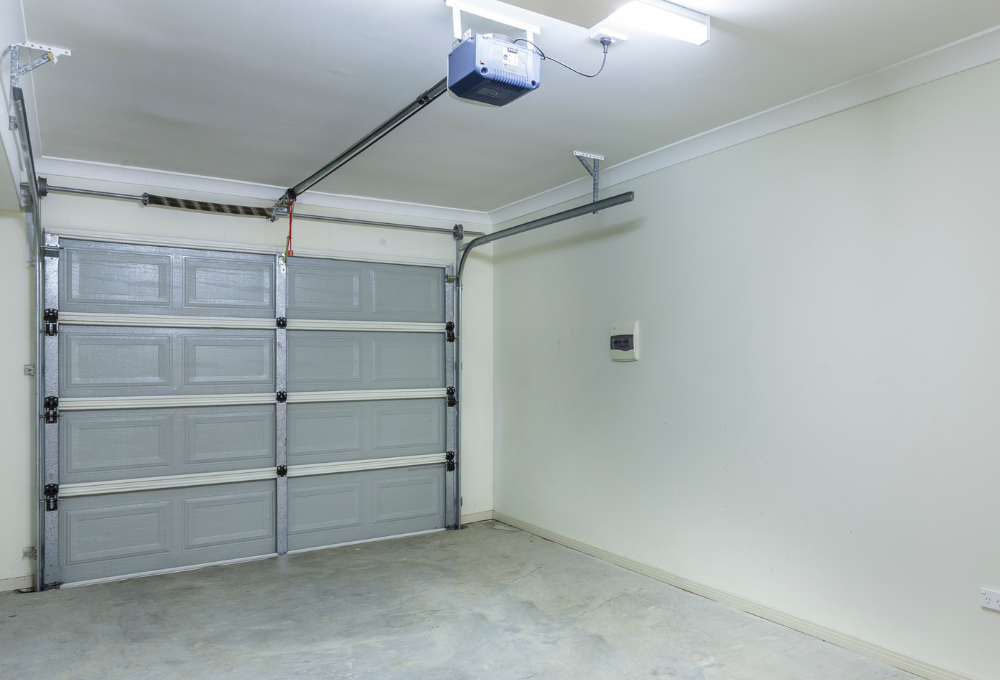
Grinding or squeaking sounds often indicate worn components. These noises usually appear when rollers or hinges experience friction. In many cases, solutions for a noisy door involve replacing damaged parts or adding lubrication. Ignoring these sounds may eventually lead to a Slow Garage Door. Early maintenance helps restore smooth and quiet operation.
Uneven or Jerky Door Movement
A garage door should move smoothly along the track. Jerky or uneven movement may signal misaligned hardware or worn components. Inspection of parts and accessories helps identify damaged hinges, brackets, or rollers. These problems often appear before a Slow Garage Door develops. Routine inspection helps prevent larger mechanical issues and improves door reliability.
Fix Your Garage Door Speed Now
A Slow Garage Door should never be ignored. Slow movement often indicates developing mechanical or electrical problems. Addressing these issues early helps prevent expensive repairs. Regular inspection also helps detect worn components before they fail.
Routine maintenance plays an important role in garage door performance. Cleaning tracks, lubricating hardware, and inspecting components help maintain smooth operation. Consistent care helps extend the lifespan of important garage door parts. Proper maintenance also improves overall door reliability.
Reliable garage door performance begins with regular inspection and timely repairs. Reach out to Garage Door SLO Now for trusted garage door service. Professional technicians can restore smooth movement and improve overall system reliability.