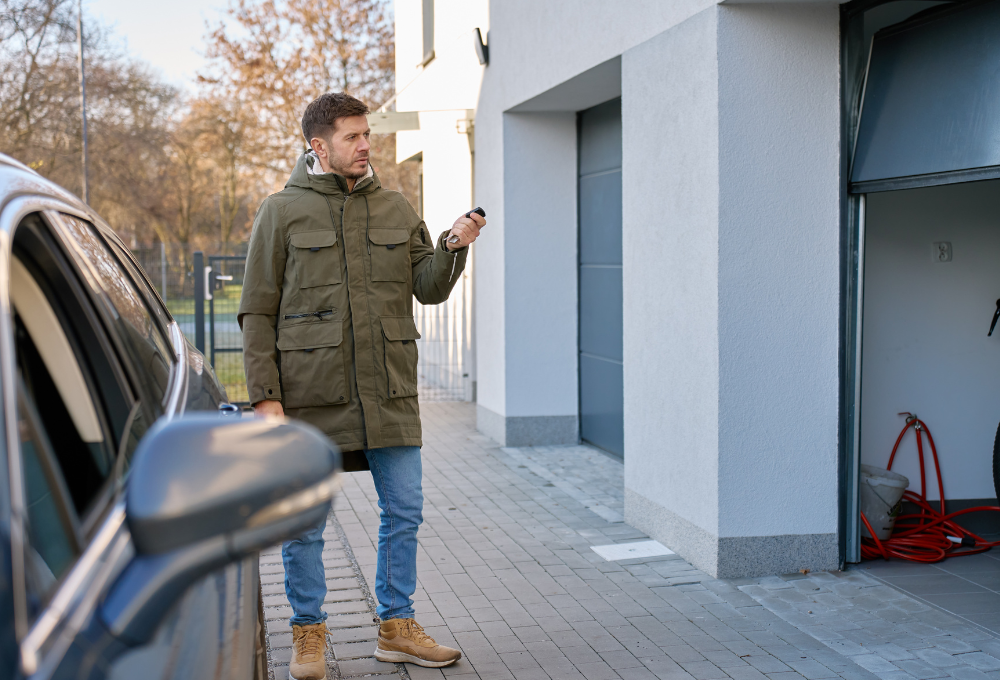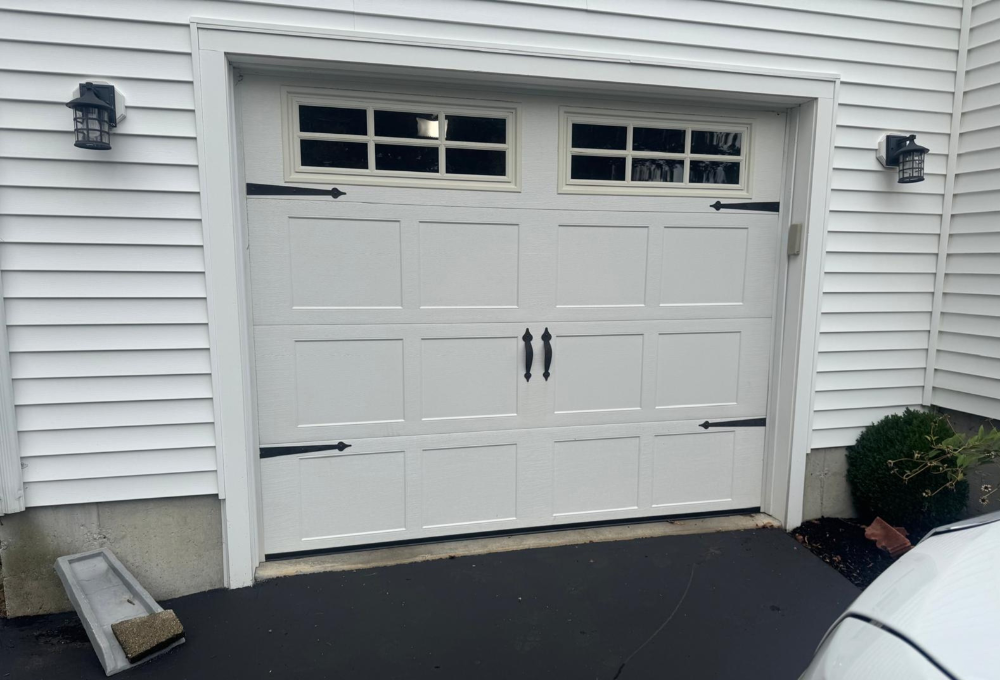
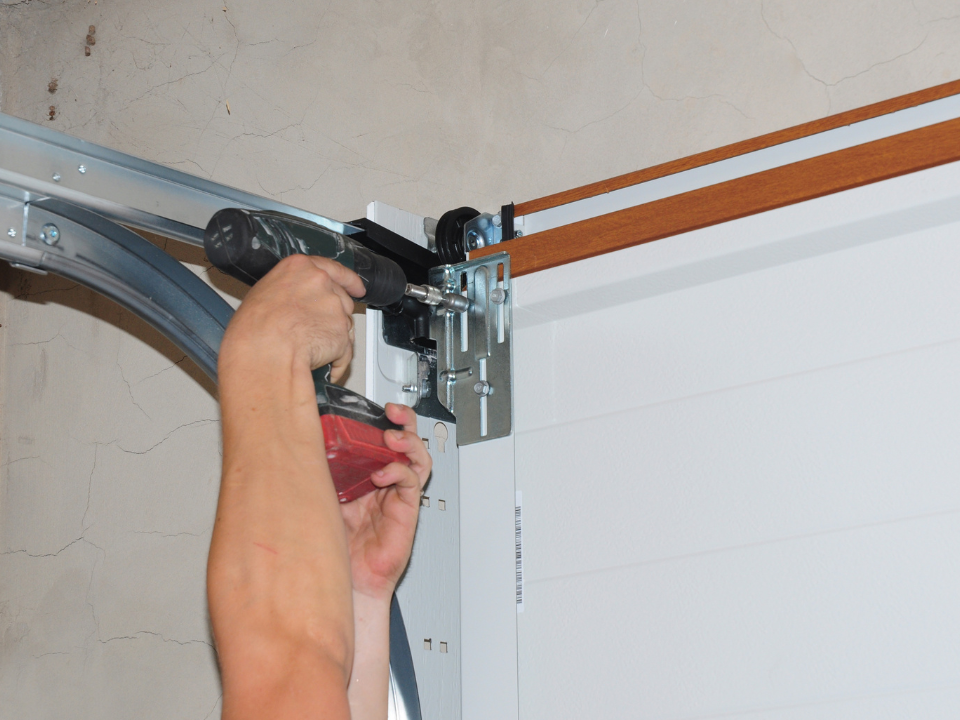
It’s early morning, and you need to leave for work. You press the remote button, and nothing happens. The garage door won’t open. You try again with the same result. This frustrating scenario happens frequently to homeowners in San Luis Obispo and other coastal California communities.
Coastal weather creates specific challenges for garage door systems. Moisture, salt air, and temperature fluctuations affect mechanical and electrical components differently than in inland areas. These environmental factors cause problems that prevent doors from opening when homeowners need them most. Understanding why garage doors fail in coastal conditions helps prevent unexpected breakdowns.
This guide explains why garage doors won’t open in coastal California weather. We cover the most common weather-related causes, how moisture and salt air affect different components, and what homeowners can do to restore operation quickly. Recognizing these patterns helps protect against future failures and keeps garage doors functioning reliably year-round.
How Coastal Weather Affects Garage Door Operation
San Luis Obispo’s coastal climate impacts garage door systems in ways many homeowners don’t expect. Morning fog and evening moisture settle on metal parts overnight. This constant dampness accelerates corrosion on springs, tracks, and hardware. Salt carried in ocean breezes compounds the problem by speeding up rust formation on exposed metal surfaces.
Temperature changes between day and night cause metal components to expand and contract repeatedly. This cycle weakens springs and affects track alignment over time. Electrical connections in the opener system also suffer from moisture exposure. Condensation builds up inside the motor housing and on circuit boards, which disrupts proper signal transmission.
These weather effects accumulate gradually. A garage door won’t open one morning, not because of a single weather event, but because months of coastal exposure have degraded multiple components simultaneously. Professional garage door repairs address these weather-related failures and restore reliable operation in harsh coastal conditions.
The Most Common Weather-Related Reasons Doors Won’t Open
Several specific weather-related issues prevent garage doors from opening in coastal California. These problems develop from continuous exposure to moisture, salt air, and temperature changes that characterize the coastal environment.
Corroded Springs That Can’t Lift the Door Weight
Garage door springs bear the full weight of the door during every opening cycle. Coastal moisture and salt air attack these springs relentlessly. Rust forms on spring coils and weakens the metal structure. As corrosion progresses, springs lose their ability to provide a lifting force.
When springs become too corroded, they cannot support the door’s weight anymore. The opener motor struggles and eventually gives up trying to lift the heavy door. Homeowners may hear the motor running but see no door movement. This indicates broken springs that need immediate professional replacement to restore function.
Moisture-Damaged Opener Electronics and Sensors
Modern garage door openers rely on electronic components that are easily damaged by coastal moisture. Circuit boards inside the motor housing develop corrosion on connection points. This disrupts the electrical signals needed for operation. The opener may not respond to remote commands or wall button presses.
Safety sensors also fail when moisture affects their electronic connections. Corroded wiring or water intrusion in sensor housings prevents proper signal transmission. The system thinks an obstacle blocks the door path and refuses to close or open. Cleaning and protecting these components helps prevent weather-related electronic failures.
Swollen or Warped Wooden Door Sections
Wooden garage doors absorb moisture from fog and humid coastal air. The wood fibers swell as they take on water. This expansion causes doors to bind in their tracks and prevents smooth movement. In severe cases, wooden sections warp and no longer fit properly in the frame opening.
A garage door won’t open when swollen wood creates too much friction for the opener motor to overcome. The door may stick at certain points or refuse to move at all. Proper sealing and regular maintenance help wooden doors resist moisture damage in coastal climates.
Rust-Frozen Rollers and Track Components
Rollers and cables operate inside metal tracks that rust quickly in coastal conditions. When rollers develop surface rust, they no longer roll smoothly. Instead, they create friction and resistance that prevent door movement. Tracks with rust buildup make this problem worse by increasing the force needed for operation.
In extreme cases, rollers freeze completely in their housings from rust accumulation. The garage door won’t open because the rollers cannot turn anymore. Regular lubrication with moisture-resistant products helps prevent this rust-related failure pattern.
What Happens When You Can’t Open Your Garage Door
A garage door that won’t open creates immediate problems for homeowners. Your vehicle sits trapped inside the garage. You cannot leave for work, appointments, or emergencies. This disruption affects your entire daily schedule and creates stress when you need to be somewhere important.
Forcing the door open manually carries serious risks. Many homeowners don’t know that garage doors with broken springs can weigh 200-300 pounds. Attempting to lift this weight without proper technique causes back injuries and muscle strains. The door may also fall unexpectedly and cause additional injury or property damage.
Security concerns arise when garage doors malfunction. A door stuck partially open leaves your home vulnerable to break-ins. Thieves recognize disabled garage doors as easy entry points. Addressing opener and mechanical failures quickly protects both convenience and home security. Enhanced garage security measures become even more important when weather-related problems occur frequently.
Steps to Take When Your Garage Door Won’t Open
When your garage door refuses to open, start with simple checks before calling for service. First, verify that the wall button and remote controls have working batteries. Try both the remote and wall button to rule out battery problems. Check the circuit breaker to ensure power reaches the opener unit.
Look for visible obstructions in the door’s path. Sometimes objects near the sensors or in the tracks prevent operation. Clean the sensor eyes with a soft cloth to remove dirt or moisture buildup. Ensure both sensors align properly and their indicator lights show solid rather than blinking.
If these simple checks don’t solve the problem, avoid forcing the door. Manual operation requires disconnecting the opener, and this should only be done when absolutely necessary and with proper technique. Professional service provides safe diagnosis and repair. Technicians have the tools and training to address weather-related failures without risking injury or additional damage to components like parts and accessories throughout the system.
Preventing Weather-Related Garage Door Failures
Regular maintenance helps garage doors resist coastal weather damage. Schedule professional inspections every six months to catch corrosion and wear early. Technicians apply protective lubricants to springs, rollers, and moving parts. They also check electrical connections and clean sensor components before moisture causes serious problems.
Homeowners can perform simple maintenance between professional visits. Wipe down metal surfaces to remove salt residue and moisture. Apply rust-preventive spray to springs and hardware. Keep tracks clear of debris and check weather seals for gaps or tears. These small efforts reduce the frequency of weather-related failures.
Upgrading to weather-resistant components makes sense for coastal properties. Galvanized or stainless steel hardware resists corrosion better than standard parts. Protected circuit boards in modern openers handle moisture exposure more effectively. These investments pay off through fewer breakdowns and longer system life in harsh coastal conditions.
Get Your Garage Door Working Again in San Luis Obispo
A garage door that won’t open disrupts your entire day and compromises home security. Coastal California weather creates unique challenges that affect springs, electronics, and mechanical components. Moisture, salt air, and temperature changes cause failures that prevent normal operation when you need it most.
CA Garage Doors understands how coastal conditions affect garage door systems in San Luis Obispo. Our technicians diagnose weather-related problems quickly and provide lasting solutions. We use corrosion-resistant parts designed for coastal environments. Every repair addresses not just the immediate failure but also the environmental factors that caused it.
Don’t let a malfunctioning garage door control your schedule. Contact us through Contact Precision Garage Door SLO Now for fast, professional service. We respond quickly to garage doors that won’t open and restore reliable operation the same day. CA Garage Doors keeps San Luis Obispo homeowners moving with 24/7 emergency service for weather-related garage door failures.